Gao Gae Two Card Ace Pair: The Brutal Math Behind Thailand's Fastest Bankroll Killer
An ace pair in Gao Gae two-card is not a victory lap — it is a trap door, and the house knows exactly how many players fall through it every night on the Bangkok circuit. Thai Gao Gae dealers do not fear the ace pair. They welcome it, because the payout structure and the drawing mechanics turn the strongest starting hand into a statistical liability the moment the second card hits the felt.
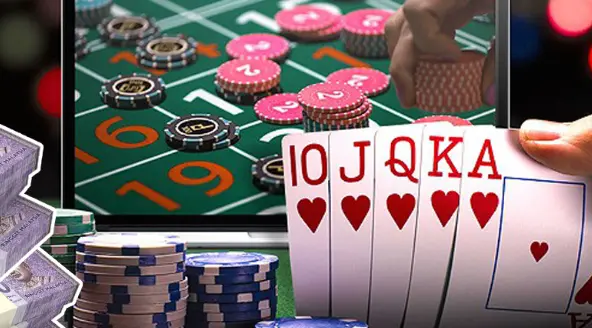
Why the Ace Pair Misfires in Two-Card Gao Gae
Standard poker logic collapses here. In a two-card Gao Gae hand, an ace pair scores high on the ranking chart but locks you into a fixed value with zero redraw potential. Compare that to a mid-tier pair that can be split or a suited connector that feeds the community draw — the ace pair gives you one shot, one value, and no escape route. That is the core mechanic every serious player must internalize before sitting down at a Thai Gao Gae table.
The house edge does not come from dealing you bad cards. It comes from the fact that an ace pair baits aggressive betting, and aggressive betting on a dead-end hand is precisely how the casino extracts value. Dealers on the Pattaya and Phuket strips have told me the same thing for years: the ace pair is the single most overbet hand in the two-card format, and the house loves it.

The Real Odds of Holding an Ace Pair in Gao Gae
Run the numbers. In a standard 52-card deck with two-card dealing, the probability of drawing a specific pair sits at roughly 0.45 percent per hand. Across a 40-hand session, your chance of seeing any ace pair at least once climbs toward 16 percent. Sounds rare? It is — which is exactly why players who finally catch it overcommit. The scarcity breeds emotional betting, and emotional betting on a Gao Gae two card ace pair is a bankroll executioner.
Now layer in the Thai Gao Gae payout table. Most tables pay ace pair at 1:1 or slightly better, while the true probability of the hand winning against a random opposing two-card draw hovers near 68 percent depending on the variant. That gap between perceived strength and actual win rate is where the house margin lives. The dealer does not need to cheat. The math does the work. 🎲
Table Selection and Dealer Behavior on the Thai Circuit
Not all Gao Gae tables are built the same. Tourist-facing tables on Sukhumvit run fast dealers, shallow stacks, and aggressive rake — a combination that punishes ace-pair overbetting within three or four orbits. Local tables in Chiang Mai run slower but with deeper stacks, which changes the calculus entirely: an ace pair can be played as a pot-control hand rather than a shove. The Thai Gao Gae casino guide that actually matters is the one that tells you which table structure you are walking into before you buy in.
Watch the dealer's shuffle rhythm. A clean riffle and a proper cut mean the deck is fair. A sloppy shuffle with a short cut is a red flag, not because the house is stacking the deck, but because the variance spikes and your ace pair becomes even less reliable. Experienced players on the circuit read the shuffle before they read their hole cards. 🃏
Bankroll Architecture for the Two-Card Format
Here is the hard truth: a 100-unit bankroll cannot survive a Gao Gae two-card session if you treat ace pair as a premium holding. You need at least 200 units, and you need a strict rule that caps ace-pair exposure at 15 percent of session stack. Anything beyond that is not gambling — it is donating to the rake.
The Gao Gae ace pair odds do not change because you feel lucky. The deck is the deck. The house edge is the house edge. The only variable you control is bet sizing, and that is where every serious player either survives the Thai circuit or gets crushed by it in a single weekend. ⚡
The Dealer's Tell and the Cut Card
One more mechanical detail that separates the pros from the tourists: the cut card position in two-card Gao Gae shifts the effective deck composition in ways most players never track. When the cut card lands deep, the remaining shoe favors high pairs; when it lands shallow, mid-tier connectors dominate. Tracking cut-card depth across a session gives you a real, measurable edge that no amount of staring at your ace pair will ever provide.