What a Demo Mode Actually Is Under the Hood
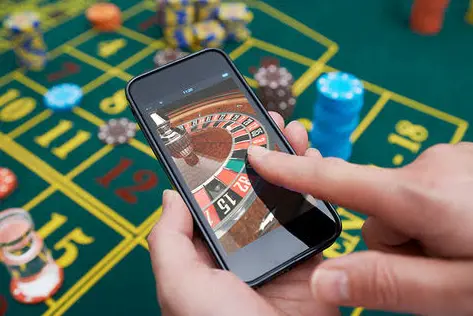
A demo mode at a US casino is nothing more than a client-side simulation layer that runs the exact same math model as the real-money game while stripping out the wallet connection. No coin insertion, no account debiting, no cashier handshake. The RNG, the paytable, the hit frequency, the volatility curve — all identical to the live version. What changes is the settlement path: your balance is a throwaway variable held in browser memory, reset the moment you reload the page. 🎰
Anyone who tells you demo play is a watered-down toy has never cracked open a developer console. The spin engine is the same compiled logic. The only difference is that the outcome handler writes to a sandboxed ledger instead of pinging the server for a real balance check. That distinction matters enormously for how you should use it.
The Real Reason Casinos Push Free Play
US-regulated operators are legally required to publish return-to-player figures, and the free-play version is where those numbers get stress-tested in public. The house edge on a demo mode slot is mathematically identical to the paid game — usually between 2% and 10% depending on the title. So why give it away? Because a player who learns the interface on free credits converts to a depositor at roughly triple the rate of a cold visitor. It is a customer acquisition cost dressed up as generosity.
The sharp angle here: use that acquisition budget against them. Burn fifty, a hundred, two hundred free spins before you ever touch a deposit button. You are extracting value from their marketing spend while you map the variance profile of a machine you might eventually fund.
How to Extract Real Signal from Free Spins
Most people treat free play as a slot machine shaped pacifier. That is a waste. Here is the technician's protocol. First, identify the stated volatility — low, medium, high — and run at least two hundred spins on a high-volatility title to feel the dead-spin clusters. You are not hunting a win. You are measuring how long the cold streaks run, because that is the exact emotional pressure you will face with real money on the line.
Second, test the bonus trigger frequency against the published hit rate. If the sheet claims a bonus every one hundred fifty spins and your sample shows one in four hundred, either your sample is too small or the game's advertised math is loose. Either way, you now know something the marketing page will never tell you.

Table Games and the House Edge Rehearsal
Demo mode is not just slots. US casino platforms run free-play blackjack, roulette, and video poker with identical rules to the paid tables. Video poker is where this gets genuinely valuable — a full-pay Jacks or Better machine returns over 99% with perfect strategy, and free play lets you drill the optimal hold decisions on every dealt hand without bleeding a cent. 💡
Roulette demo wheels spin the same physical or RNG-driven outcome distribution. Use them to verify whether the platform offers single-zero or double-zero layouts before you commit. That single pocket difference is worth 2.7% of every wager you place, and it is buried in a dropdown menu most players never open.
The Trap of Demo-Only Credibility
Here is where I get blunt. Some offshore operators use demo mode as a trust-washing tool — free play that feels generous, then real-money games that mysteriously tighten. Under US regulation, licensed operators cannot pull that switch because the math is audited and identical across both modes. The free version is your audit instrument. If the demo feels different from the paid game in hit frequency or bonus cadence, you are not imagining it — you are looking at a platform with two separate math models, and that is a red flag the size of a billboard. 🚩
Cross-reference the paytable in free play against the same game's live paytable. They must match pocket for pocket, percentage for percentage. Any drift is evidence of a shadow configuration.
Session Discipline You Can Only Learn for Free
The most underrated function of free play is bankroll rehearsal. Set a fake bankroll of two hundred units, apply your real staking plan, and log every session. Watch how fast a ten-unit flat bet grinds down under a 4% house edge across five hundred spins. That number — roughly forty units of expected loss — is the tuition the demo pays for you in advance. Players who skip this step fund that same lesson at full price.
Track your free-play sessions in a spreadsheet: spins, stake, net result, bonus frequency. After a few thousand simulated spins you will have a personal variance fingerprint for that machine, and that fingerprint is worth more than any published RTP figure because it reflects the actual distribution you will face.
Where Free Play Ends and Real Math Begins
The transition point is precise: the moment a session moves from a memory-resident balance to a server-settled one, every outcome carries a real expected cost equal to stake multiplied by house edge. Demo mode is a zero-cost laboratory for that equation. Run the experiment hard, log the data, and never confuse the rehearsal for the performance.